

A well-designed dessert table can become one of the most memorable parts of a celebration. From birthdays and weddings to baby showers, anniversaries, holiday gatherings, and dinner parties, an attractive selection of sweets gives guests something enjoyable to see before they even take their first bite. The good news is that creating an elegant dessert display does not require professional pastry skills. With thoughtful planning, coordinated colors, varied textures, and simple decorating techniques, homemade treats can look polished and inviting.
Start With a Clear Dessert Table Theme
Before preparing the desserts, decide on the overall style of the table. A theme does not have to be complicated. It can simply be based on a color combination, season, event, or decorating style. For example, a birthday table might use cheerful colors and playful shapes, while an anniversary display could focus on neutral shades and understated decorative details.
Choosing the theme early makes many later decisions easier. You can select matching serving dishes, table decorations, cupcake liners, napkins, and dessert toppings without creating a collection that feels visually disconnected.
Mix Different Types of Desserts
A dessert table becomes more interesting when it contains different shapes, sizes, and textures. Instead of preparing ten varieties of the same treat, combine a few familiar favorites with different visual characteristics.
Cupcakes can provide height and colorful frosting.
Cookies offer flat surfaces for creative designs.
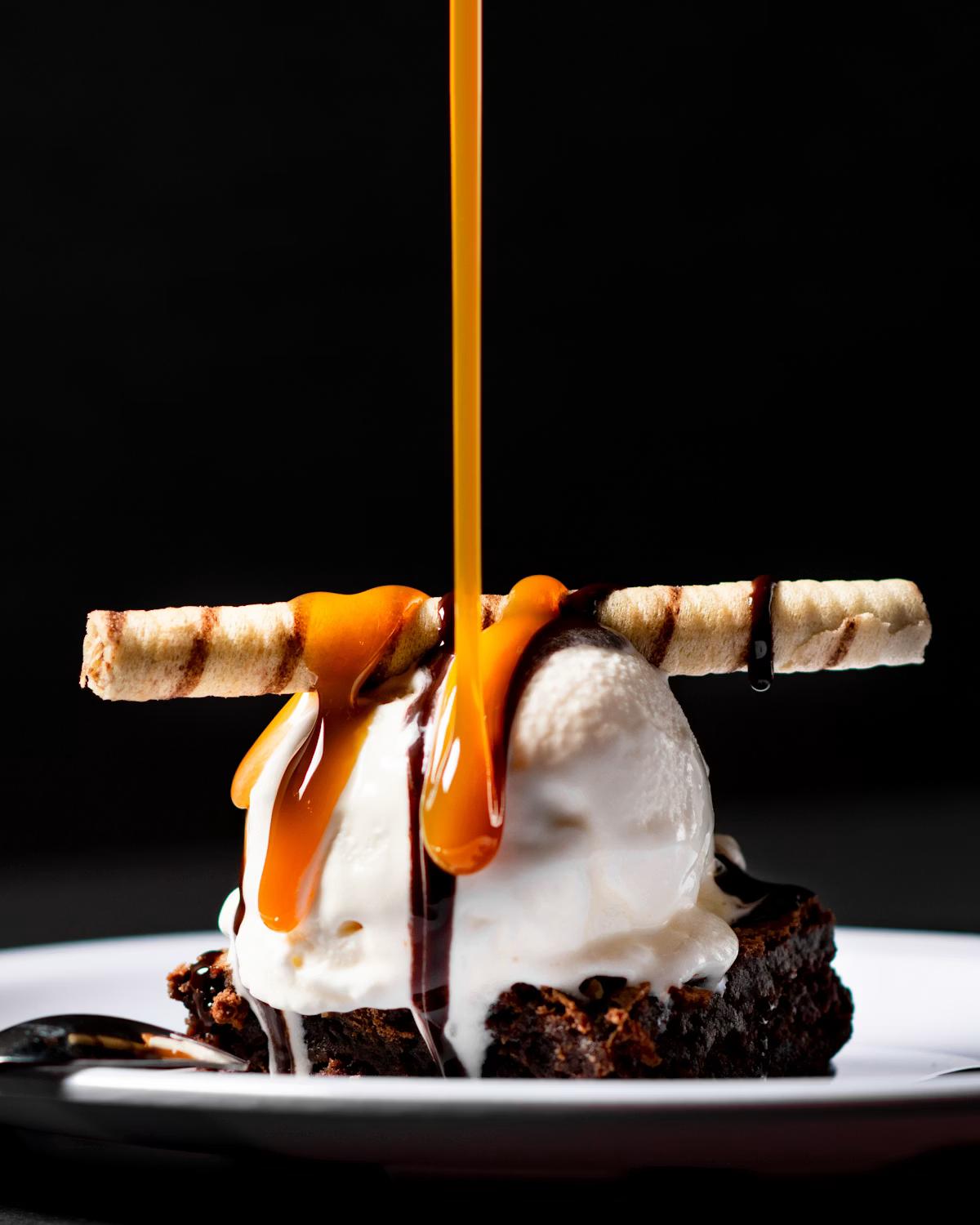
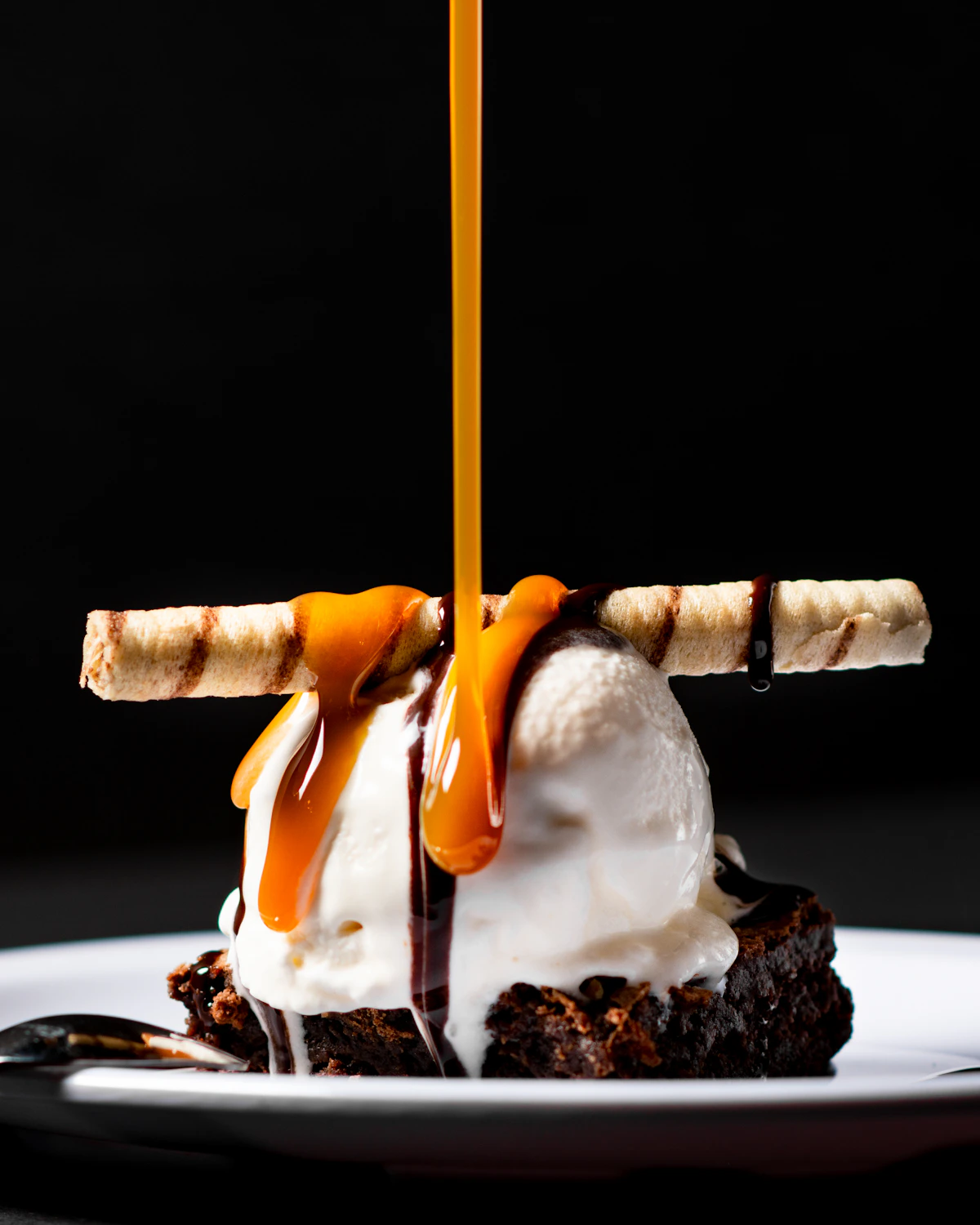
Brownies and dessert bars add darker tones and rich textures.
Mini pastries can introduce delicate shapes and layers.
Small candies can fill empty spaces and add bright accents.
A centerpiece cake can provide a strong visual focal point.
The goal is to create variety without making the table look crowded. Three to five main dessert types are often enough for a balanced homemade display.
Use Height to Create Visual Interest
One of the simplest ways to improve a dessert table is to vary the height of the items. If everything sits on the same level, the display can look flat. Cake stands, raised trays, boxes hidden under fabric, and tiered serving pieces can create different levels.
Place taller desserts toward the back and shorter treats toward the front. This arrangement allows guests to see more of the display while keeping individual desserts accessible. A centerpiece cake or tall cupcake stand can work particularly well as the highest point of the arrangement.
Coordinate Colors Across the Display
Color coordination can make a homemade dessert table appear much more professional. Choose a primary color and one or two supporting shades. These colors can appear in the frosting, sprinkles, fruit, decorative pieces, tablecloth, flowers, or serving accessories.
You do not need every dessert to have the same color. Instead, repeat selected shades throughout the table. For example, if blue is part of the theme, you might use blue cupcake liners, small blue cookie details, and a few matching decorations on the centerpiece cake.
Add Subtle Decorative Highlights
Small decorative details can make individual desserts stand out. However, restraint is important. Adding too many toppings can hide the shape and texture of the actual dessert. Choose one main decorative feature and use smaller accents to support it.
For suitable edible decorations, edible luster dust can provide a subtle shimmering detail that works particularly well with celebration-themed desserts. Use decorative finishes selectively so they complement rather than overpower the overall design.
Think About Texture
A visually interesting dessert table usually contains a mixture of textures. Smooth frosting can be paired with crunchy nuts, delicate sugar pieces, crisp cookies, chocolate decorations, fresh fruit, or crumb toppings. These differences create visual contrast and also give guests a wider range of eating experiences.
Texture can also be introduced through the table itself. A wooden serving board, ceramic plates, glass jars, or fabric accents can create additional layers without competing with the desserts.
Create a Strong Centerpiece
Every dessert table benefits from one main focal point. This might be a decorated cake, a tall arrangement of cupcakes, a tower of macarons, or a large platter of specialty desserts. The centerpiece should be visually distinctive but still fit the rest of the display.
Place the centerpiece where it is easy to see. Surround it with smaller desserts that support the same color palette and theme. This creates a natural visual hierarchy and prevents the table from appearing like a random collection of sweets.
Use Garnishes Thoughtfully
Garnishes can fill small visual gaps and add freshness to the display. Fresh berries, citrus slices, mint leaves, flowers suitable for food presentation, or small bowls of toppings can work well depending on the occasion.
However, make sure every garnish has a purpose. Too many decorative objects can make it difficult for guests to reach the food. Keep practical considerations in mind by leaving clear areas where people can pick up plates, napkins, and serving utensils.
Arrange Desserts in Groups
Rather than spreading every dessert evenly across the table, arrange similar items in small groups. Place cupcakes together, cookies in a separate section, and brownies or bars on their own platter. Grouping creates organization while still allowing the table to feel abundant.
You can also arrange desserts according to color or size. For example, lighter treats can be positioned near darker desserts to create contrast. Small groups are especially useful when the table contains several varieties because guests can quickly understand what is available.
Consider the Guest Experience
An attractive display should also be easy to use. Place serving utensils near the appropriate desserts and provide small plates and napkins where guests can reach them easily. If certain treats contain common allergens or specific ingredients, consider labeling them clearly.
Individual portions can make larger gatherings more convenient. Mini cupcakes, small cookies, bite-sized brownies, and individually decorated pastries allow guests to sample several options without committing to a large serving.
Keep the Final Design Balanced
Once everything has been placed on the table, take a step back and look at the display as a whole. Check whether one area feels too crowded while another looks empty. Move serving pieces around until the colors, heights, and shapes feel balanced.
Remember that an elegant dessert table does not depend on complicated decoration. A consistent theme, varied heights, coordinated colors, attractive textures, and carefully selected finishing details can make homemade desserts look remarkably polished.
Most importantly, allow the food to remain the star of the display. Thoughtful presentation should enhance the desserts rather than distract from them. With a little planning and creativity, a simple collection of homemade treats can become a welcoming centerpiece that guests remember long after the celebration ends.